How we check a business is real
The validity checks a listing passes before it appears, and what gets rejected.
Last updated: 11 August 2026
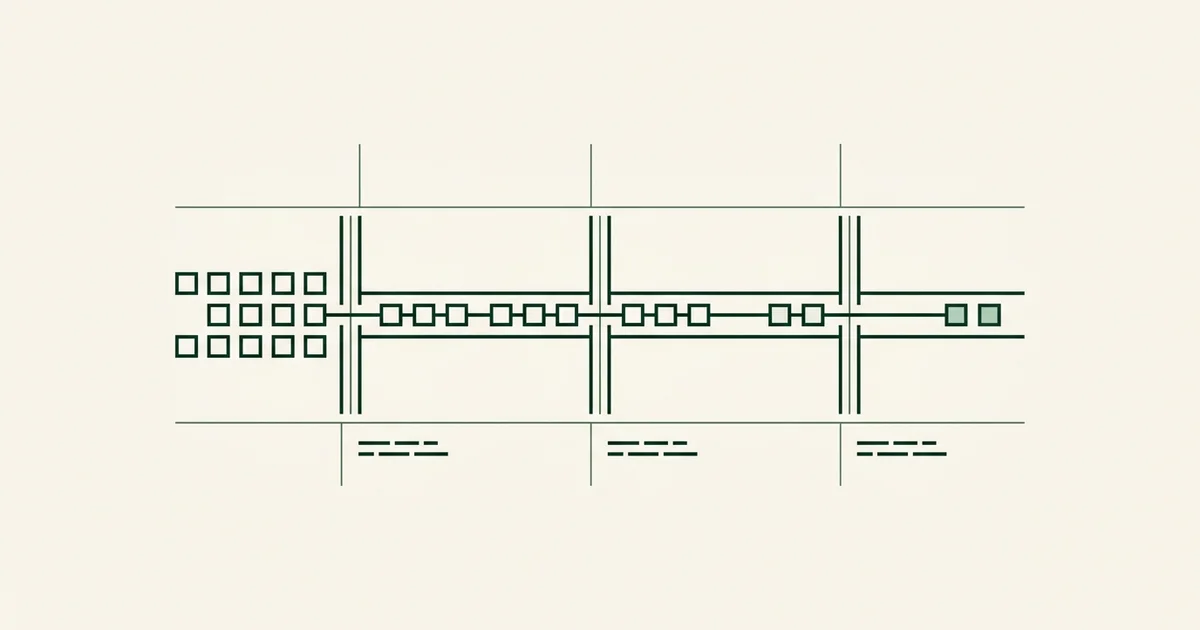
Why this check exists at all
A trade directory is only worth reading if the things in it are businesses. That sounds obvious until you look at what turns up in local service search results: dormant company shells, brands that were absorbed years ago and never taken down, aggregator pages that exist only to collect your phone number, and lead marketplaces that resell your job to whoever bids.
None of those are useful to somebody who needs a lock opened this evening. So before a business is scored or ranked on any of our independent Singapore service directories, it has to pass a set of validity checks. The scoring described in how we rank businesses only runs on entries that clear this stage.
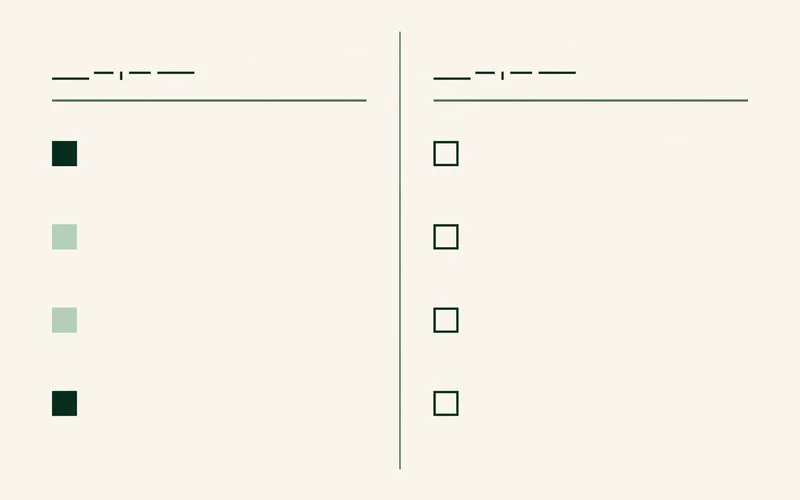
Check one: is it a real trading entity
The first question is whether there is an actual business behind the name.
We look for the ordinary evidence that a trading entity leaves in public: a consistent business name across the places it appears, contact details that resolve to that name rather than to a marketing intermediary, and a footprint that behaves like an operating company rather than a page built last month.
What fails here is mostly duplication and residue. The same operation listed three times under slightly different names, so it would occupy three positions in a ranked list. Brand names that have been folded into a parent and no longer trade. Entries with no reachable identity at all.
Check two: is it operating now
A directory full of businesses that closed in 2023 is worse than no directory, because it wastes a call at the exact moment somebody cannot afford to waste one.
So we test whether a business is currently operating, and we re-test it every month rather than only at compilation. Closure signals are read from public sources, and a business that reads as permanently closed comes off the directory automatically. Nobody has to report it.
This is also why every listing shows a re-checked date. It tells you how recently that question was asked, which is the only way a reader can judge whether the entry is worth trusting today.
Check three: does it actually do the work
The last check is the one that removes the most entries, and it is the least obvious.
The question is whether this is a business that turns up and does the job, or an intermediary sitting between you and whoever eventually does. Two kinds get rejected.
Lead-resellers. These take your enquiry and sell it on, sometimes to several companies at once. They may be perfectly legitimate operations, but listing one tells a reader nothing about the person who will actually arrive, which is the only thing a trade directory is for.
Listings-of-listings. Directory pages, aggregator profiles, and roundup sites that would otherwise appear as if they were businesses. Ranking one inside our own directory would be circular and would push a real company down a position for no reason.
The test is simple to state: if you rang this number, would the entity on the other end be responsible for the work? If the answer is no, it does not belong in the Singapore Locksmith Guide or any other directory we publish.
When the checks are run
Validity is not a one-off gate at compilation. It is re-tested at every monthly re-check, for the whole set, because all three questions above have answers that change.
A business that passed in March can fail in July: it closed, it was absorbed, it stopped trading under that name, or it quietly became a booking front for someone else. Testing once and trusting the result forever is how directories end up full of ghosts.
Re-testing also catches our own mistakes in the other direction. A business wrongly marked closed because it went quiet for a season comes back in when the signals return. If that happens to you, you do not have to wait for the re-check: tell us and we will fix it sooner.
What these checks do not do
They are not an endorsement, and they are not a licensing or insurance audit. Passing a validity check means an entry is a real, operating business that does the work itself. It does not mean the work is good, and it does not mean any particular job will go well.
Quality is what the score is for, and the score has its own limits, set out in what our scores do and do not measure.
If a business you know is missing, the checks above are the most likely reason, though there are others. The full list is in why a business might not be listed, and if it is your business, corrections and removals is the way to raise it.
Questions we are asked about this
What makes a listing get rejected?
Do you check that a business still operates?
Are lead marketplaces listed?
Related guides
How to read a listing
A walkthrough of a directory listing: what each field means, what the score is built from, and what re-checked means.
ReadHow we handle fake and incentivised reviews
Why review manipulation exists in local trades, the signals that reduce a review's weight, and what to do about a competitor gaming reviews.
ReadWhat our scores do and do not measure
The honest limits of a review-based score: what it captures, what it cannot, and why a high score is evidence rather than a guarantee.
ReadThe directories this method runs on
Everything on this page describes how the directories we publish are built. You can see what each one covers, what stage it is at, and where it lives.